Tradeview US Stocks Trading: A Complete Walkthrough for Active Investors
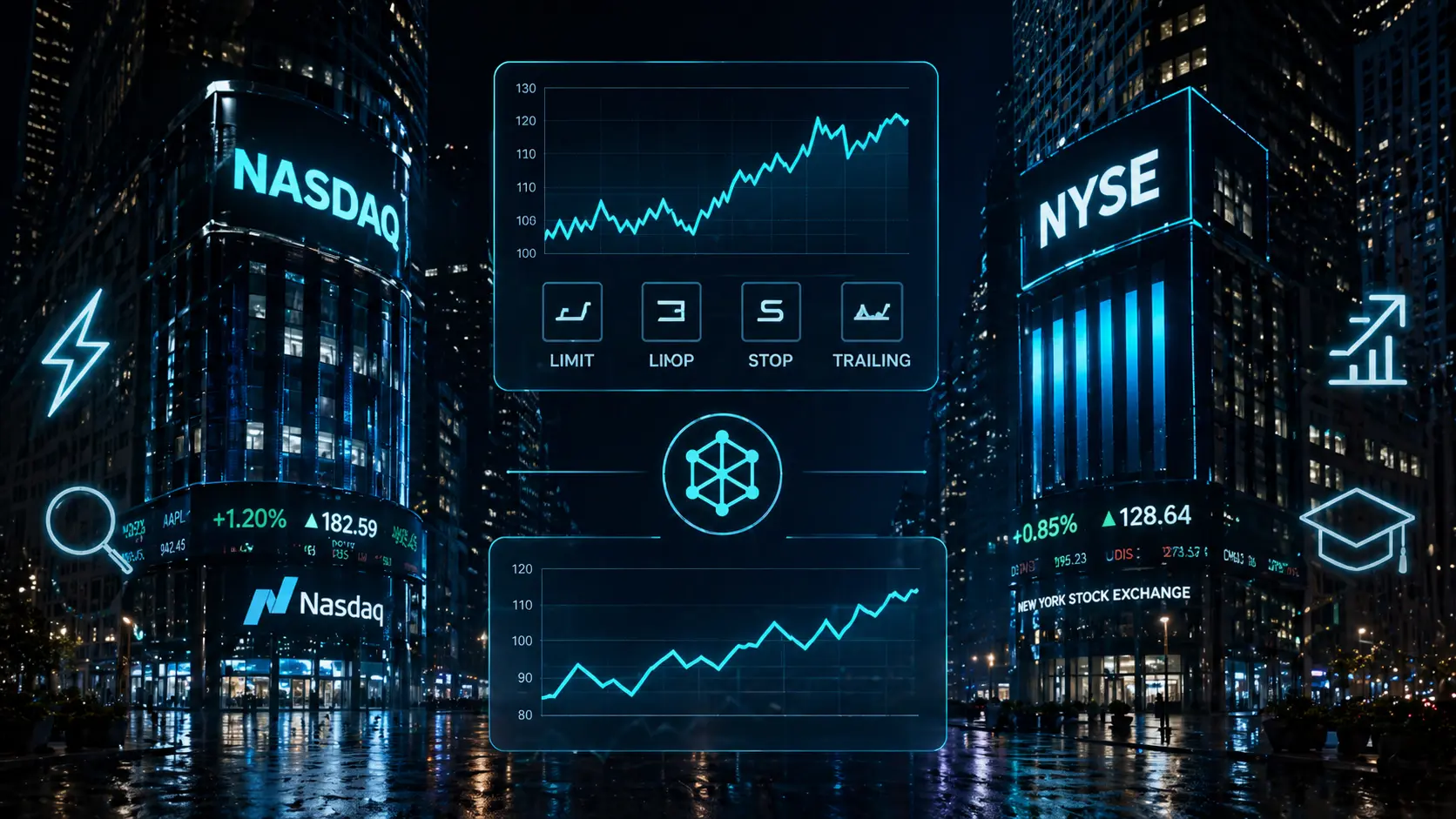
Trading U.S. stocks has always drawn investors from around the world. The U.S. market has companies that lead global innovation, like Apple, Tesla, Amazon, and Coca-Cola. For traders outside Wall Street, platforms like Tradeview US stocks trading provide direct access to the markets.
But anyone who has traded before knows it’s more than simply pressing “buy.” Choosing the right order type is important. Understanding how U.S. markets work is also key. Using the right tools can greatly affect your results. These decisions often separate a well-executed strategy from an expensive error.
Here you can find an explanation about stock order types and how to use U.S. exchanges with Tradeview. It helps make trading feel less like guesswork and more like a skill you can develop.
Understanding the Landscape of the U.S. Stock Trading
The U.S. market has two main exchanges:
- NASDAQ – famous for tech giants like Apple, Microsoft, and Google.
- NYSE (New York Stock Exchange) – home to long-standing corporations like Coca-Cola, JPMorgan, and General Electric.
Trading these markets with Tradeview means you get real-time prices. You connect directly to the exchanges where the action happens.
For day traders especially, this access is vital. Volume is high, spreads are tight, and opportunities appear in minutes rather than days.
Tradeview’s Role in U.S. Stock Access
With Tradeview, investors can participate in NASDAQ and NYSE trading with Tradeview under the same conditions as U.S. traders. That means real-time data, professional order routing, and the ability to place trades using different stock order types.
Key points are:
- Direct market access (DMA): Orders go straight to the exchange without middlemen.
- Transparency: You see market depth and liquidity, not just a single price.
- Execution speed: Crucial for day traders who can’t afford delays.
- Platform flexibility: Web, desktop, and mobile options.
Stock Order Types Every Trader Should Know
Before placing trades, it’s essential to understand stock order types. They’re the language you use to tell the market exactly what you want.
| Order Type | How It Works | Best For |
| Market Order | Buys or sells immediately at the current price. | Fast execution, but may have slippage. |
| Limit Order | Executes only at your chosen price or better. | Control over entry and exit points. |
| Stop Order | Becomes a market order when a set price is hit. | Protecting against large losses. |
| Stop-Limit Order | Turns into a limit order once the stop price is reached. | More precise risk control. |
| Trailing Stop | Adjusts automatically as the stock moves in your favor. | Locking in profits while giving trades room. |
“Choosing the right order type is like choosing the right tool, use a hammer for nails, not for screws.”
Traders who rely only on market orders often end up frustrated with slippage. Those who learn to use limit and stop orders gain a layer of control that protects them in volatile conditions.
Day Trading Stock Indices vs. U.S. Stocks
Many traders must decide whether to trade U.S. stocks one by one or focus on stock indices. They might choose indices like the S&P 500 or NASDAQ 100. Both approaches are available on Tradeview, but they suit different personalities.
- Day trading stock indices: This method is quicker and focuses more on market feelings. It is good for traders who prefer fewer positions but want to trade larger amounts.
- Trading individual U.S. stocks: This offers specific chances based on company news, earnings, or trends in the sector.
For example, if Apple shares good earnings, its stock may rise even if the overall market is steady. However, a market decline can lower indices even if some companies are performing well.
The Advantages of Tradeview US Stocks Trading
Why would a trader choose Tradeview over other options? Let’s break it down with practical benefits:
- Direct Exchange Access
Many brokers sell synthetic versions of stocks. Tradeview connects you straight to the source. - Advanced Order Routing
This lets you decide how your order travels through the market, improving execution. - Flexible Platform Tools
Whether you trade from your desk or on the go, the platform adapts. - Transparency with Costs
Fees are clearly structured, with no hidden surprises. - Educational Support
Tutorials and community forums help new traders get oriented.
Tradeview vs. Other Trading Platforms
Let’s put it side by side:
| Feature | Tradeview | Other Brokers |
| Market Access | Direct to NASDAQ & NYSE | Often via synthetic contracts |
| Order Types | Full range including trailing stops | Sometimes limited |
| Execution Speed | High-speed DMA | Slower routing |
| Transparency | Clear fees and data | Hidden spreads common |
| Trader Support | Community and educational tools | Limited or none |
“When traders compare brokers, execution speed and transparency are the dealbreakers.”
Common Mistakes New Traders Make
Even with the right tools, traders fall into traps. Some examples:
- Overusing market orders: Paying more than necessary in volatile moments.
- Ignoring stop orders: Leaving accounts exposed to sudden losses.
- Trading without a plan: Jumping into trades based on “gut feeling.”
- Chasing news events: Entering too late after a stock has already spiked.
Avoiding these pitfalls can save both money and frustration.
Building a Simple Trade Plan with Tradeview
A practical trade plan doesn’t need to be complex. Here’s an example:
- Stock Selection: Pick two or three from NASDAQ or NYSE with strong daily volume.
- Order Strategy: Use limit orders for entries, stop-loss for protection.
- Position Sizing: Never risk more than 2% of your account per trade.
- Review Daily: Check performance, journal trades, adjust strategy.
Over time, this routine builds discipline, something every successful trader relies on.
Pulling It All Together
Trading U.S. stocks isn’t just about picking winners, it’s about having the right tools to act with precision and confidence. With Tradeview, you get fast execution and the flexibility to run strategies that actually fit your style. If you’re ready to move beyond theory, don’t wait, start trading with purpose, test your approach in real conditions, and turn what you’ve learned into consistent, measurable performance.
Frequently Asked Questions
Can beginners use Tradeview for U.S. stocks?
Yes. While it offers advanced tools, beginners can start small and grow as they learn.
What stock order types are available?
Market, limit, stop, stop-limit, and trailing stop orders are all supported.
Is Tradeview better for day traders or long-term investors?
It suits both, but its execution speed and DMA make it especially appealing to active day traders.
Do I need a big account to trade U.S. stocks on Tradeview?
Not necessarily. You can start with smaller positions and grow them as your strategy develops.
Does Tradeview provide real-time data?
Yes. The platform has features like real-time quotes and market depth.
Comunidade
Plataformas de trading
Serviços
Artigos
Comunidade
Plataformas de trading
Serviços



Termos e condições

Política de AML
Política de retirada
Política de reembolso
Divulgação de riscos
Direitos autorais © 2026. Todos os direitos reservados.
Há risco de perda ao negociar moedas estrangeiras, e isso não é adequado para todos. A Tradeview não se responsabiliza por quaisquer ganhos ou perdas nas taxas de câmbio ou transações durante qualquer operação.
Os serviços e produtos oferecidos pela Tradeview Markets não estão sendo oferecidos nos Estados Unidos (EUA) e não estão sendo oferecidos a pessoas dos EUA, conforme definido pela legislação dos EUA. As informações contidas neste site não são direcionadas a residentes de qualquer país onde a negociação de FX e/ou CFDs seja restrita ou proibida por leis ou regulamentos locais.
Os CFDs são instrumentos complexos e envolvem um alto risco de perder dinheiro rapidamente devido ao uso de alavancagem. 64% das contas de investidores de varejo perdem dinheiro ao negociar CFDs com a Tradeview. Você deve considerar se entende como os CFDs funcionam e se pode arcar com o alto risco de perder seu dinheiro.
Sede Tradeview Financial Markets S.A.C: Calle Los Alcanfores No. 495 Int. 505 Urb. Leuro Lima. Lima, Miraflores.
Sede Tradeview Ltd.: 13 Genesis Close, 4º andar, sala 422, Ilhas Cayman, KY1-1110
Aviso de alto risco: O comércio de câmbio envolve um alto nível de risco que pode não ser adequado para todos os investidores. A alavancagem cria risco adicional e exposição à perda. Antes de decidir negociar câmbio, considere cuidadosamente seus objetivos de investimento, nível de experiência e tolerância ao risco. Você pode perder parte ou todo o seu investimento inicial; não invista dinheiro que você não pode perder. Informe-se sobre os riscos associados ao comércio de câmbio e busque o aconselhamento de um consultor financeiro ou fiscal independente se tiver dúvidas.
Aviso de aconselhamento: A Tradeview fornece referências e links para blogs selecionados e outras fontes de informações econômicas e de mercado como um serviço educacional para seus clientes e prospects, e não endossa as opiniões ou recomendações dos blogs ou outras fontes de informação. Clientes e prospects são aconselhados a considerar cuidadosamente as opiniões e análises oferecidas nos blogs ou em outras fontes de informação, no contexto da análise e tomada de decisão individual do cliente ou prospect. Nenhum dos blogs ou outras fontes de informação deve ser considerado como um histórico de desempenho. O desempenho passado não é garantia de resultados futuros, e a Tradeview aconselha especificamente os clientes e prospects a revisar cuidadosamente todas as alegações e representações feitas por consultores, blogueiros, gestores de fundos e fornecedores de sistemas antes de investir qualquer fundo ou abrir uma conta com qualquer corretora de Forex. Qualquer notícia, opinião, pesquisa, dados ou outra informação contida neste site é fornecida como um comentário geral sobre o mercado e não constitui aconselhamento de investimento ou negociação. A Tradeview isenta-se expressamente de qualquer responsabilidade por perda de capital ou lucros sem limitação, que possam surgir direta ou indiretamente do uso ou confiança nessas informações. Como com todos esses serviços de aconselhamento, os resultados passados nunca são garantia de resultados futuros.