Practical Commodity Trading Strategies That Actually Make Sense
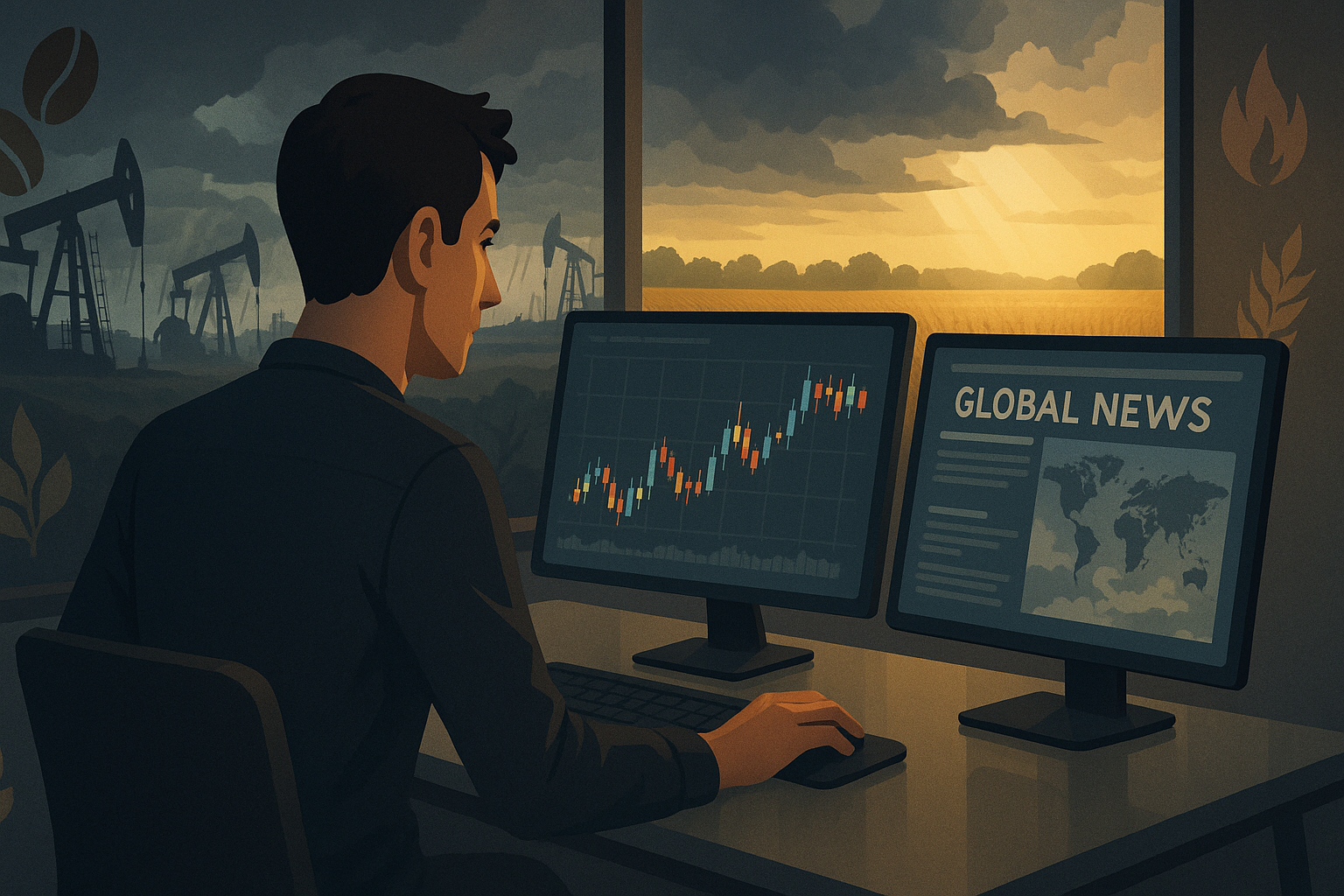
Trading commodities may seem like a game for hedge funds and oil tycoons. However, it is surprisingly easy to access. This is true even if you have a smaller account or are just starting to learn. The key? You need a plan that fits your style. No random trades, no overthinking.
Let’s talk about the commodity trading strategies that people really use. I will show you how to start using them without feeling overwhelmed.
Why Commodities Are a Whole Different Ballgame
Commodities are raw, real-world stuff. We’re talking crude oil, natural gas, soybeans, coffee, things the world literally runs on. That means prices are influenced by real events, not just earnings calls or market hype. A snowstorm can move gas prices. A crop report can shake corn futures. Political tension? Crude oil goes nuts.
Generally, you’ll hear about two types:
- Hard commodities: mined or extracted (like oil or metals)
- Soft commodities: grown or farmed (like cocoa or corn)
What makes them tricky (and fun) is how tied they are to global supply and demand. It’s not always about charts. Sometimes, it’s about watching what’s happening in the world.
Commodity Trading Strategies That Real People Use
You don’t need to reinvent the wheel. Traders use many simple strategies. These strategies don’t require fancy algorithms or multiple screens.
Go With the Momentum
If a commodity is gaining steam, why fight it? Momentum traders look for prices that are picking up speed and hop on for the ride.
How it works:
- Spot a strong price move
- Check the volume, are more traders getting involved?
- Use something like RSI to see if there’s room to run
Example: Let’s say natural gas is trending up. RSI is around 60, and trading volume is spiking. That’s a green flag to enter, set your stop, and ride it for a bit.
Let the News Work for You
Commodities move on news more than almost anything else. A surprise supply cut or bad weather report can flip the market fast.
What to watch:
- Crude oil inventory reports (Wednesdays)
- OPEC announcements
- Weather forecasts for grain and energy commodities
Tip: Don’t just trade the news. Prepare for it. Have a plan in place before the release hits.
Buy the Dip in a Strong Trend
Instead of chasing the rally, wait for a pullback. If the trend’s healthy, those dips are often great entry points.
Look for:
- A retracement to a moving average (like the 20-day EMA)
- A clear support level from the last bounce
- A strong bounce-back candle (hammer or engulfing)
This approach helps you avoid panic buying and gives you cleaner setups.
Play the Seasons
Certain commodities move like clockwork, year after year. Traders who pay attention can position themselves early and ride the seasonal wave.
| Commodity | Active Season | Why it Moves |
| Heating Oil | November–February | Cold weather = more demand |
| Corn | May–July | Pre-harvest supply worries |
| Gasoline | June–August | Summer travel season |
“Commodities are one of the few markets where seasonality still matters.”
Energy Commodities: Where the Action Happens
Energy trading is fast and intense. Prices can shift on headlines alone. For those who like a bit of adrenaline, it’s one of the best places to be.
A Quick Look at the Energy Commodities List
| Commodity | Ticker Symbol | Why It’s Traded |
| Crude Oil | CL or Brent | Global fuel and transport |
| Natural Gas | NG | Home heating, electricity |
| Gasoline | RB | Used in cars |
| Heating Oil | HO | Residential and commercial use |
| Coal | Varies | Still key for electricity |
Crude oil leads the pack. It’s traded across the world and reacts to everything from shipping delays to OPEC rumors.
Crude Oil Trading for Beginners Without the Headache
Starting out in crude oil can be rough if you don’t know the basics. But it doesn’t have to be complicated.
Start Small, Think Clearly
Pick one product to focus on, probably WTI crude if you’re in the U.S., or Brent if you want a more global perspective. Futures might seem daunting, so consider using a simulated account first to get comfortable.
Your basic plan:
- Use daily charts to learn trends
- Watch how oil reacts to news (like weekly inventory data)
- Only trade setups you understand
- Always know your max loss before entering
Mistakes to avoid:
- Jumping in on news spikes with no plan
- Trading during illiquid hours
- Ignoring stop-loss orders
“Patience and risk management will keep you in the game longer than any prediction.”
Charts Are Tools, Not Crystal Balls
Charts aren’t magic. They’re just visual tools to help make better decisions. Use them to stack the odds in your favor, not predict the future.
| Tool | What It Does |
| RSI | Shows when prices might reverse |
| Bollinger Bands | Measures volatility |
| MACD | Tracks momentum |
| Volume | Confirms whether moves are legit |
Don’t overload your screen. One trend tool and one momentum tool is enough.
Why You Can’t Ignore the News
Technical setups work better when they’re backed by strong fundamentals. For example, if charts say oil is heading up, but OPEC is planning to increase supply, that uptrend might fizzle out.
Stuff worth tracking:
- U.S. crude oil stockpile reports
- Weather updates for natural gas
- Global events (conflicts, embargoes, sanctions)
A quick daily scan of market news goes a long way toward staying sharp.
Build Your Routine, Not Someone Else’s
Some people love staring at charts all day. Others prefer checking in once or twice. Both are valid as long as you’re consistent.
A simple daily routine:
- Review top news before markets open
- Look over charts for any clean setups
- Check the energy commodities list for big movers
- Avoid overtrading or forcing trades
- Journal your results for learning
If you’re serious about starting, pick one strategy from this list. Try it in a demo account for two weeks. Track how you feel during trades, not just the results. Your mindset matters as much as your method.
Frequently Asked Questions (FAQ)
Is commodity trading beginner-friendly?
It can be, as long as you start slow, manage your risk, and avoid overleveraging.
What’s the most active energy commodity?
Crude oil is the most traded energy product globally, with tons of liquidity and media coverage.
Can I avoid futures and still trade commodities?
Yes. ETFs or CFDs are good ways to get started without dealing with futures contracts.
How do I reduce risk in oil trading?
Use tight stop-loss orders, avoid trading around surprise news, and keep position sizes reasonable.
Is chart reading enough?
Charts help with timing, but combining them with news and market context gives better results.What’s the easiest commodity to understand?
Crude oil is very beginner-friendly because it’s well-documented and reacts to widely followed events.
Community
Trading platforms
Services
Articles
Community
Trading platforms
Services




Copyright © 2026. All rights reserved.
There is a risk of loss in trading foreign currencies and it is not suitable for everyone. Tradeview is not responsible for any gains or losses on currency rates or exchanges during any transaction.
The services and products offered by Tradeview are not being offered within the United States (US) and not being offered to US Persons, as defined under US law. The information on this website is not directed to residents of any country where FX and/or CFDs trading is restricted or prohibited by local laws or regulations.
CFDs are complex instruments and come with a high risk of losing money rapidly due to leverage. 64% of retail investors' accounts lose money when trading CFDs with Tradeview. You should consider whether you understand how CFDs work and whether you can afford to take the high risk of losing your money.
Headquarters Tradeview Ltd.: 13 Genesis Close, 4th Floor, Suite 422, Cayman Islands, KY1-1110
High Risk Warning: Foreign exchange trading carries a high level of risk that may not be suitable for all investors. Leverage creates additional risk and loss exposure. Before you decide to trade foreign exchange, carefully consider your investment objectives, experience level, and risk tolerance. You could lose some or all your initial investment; do not invest money that you cannot afford to lose. Educate yourself on the risks associated with foreign exchange trading and seek advice from an independent financial or tax advisor if you have any questions.
Advisory Warning: Tradeview provides references and links to selected blogs and other sources of economic and market information as an educational service to its clients and prospects and does not endorse the opinions or recommendations of the blogs or other sources of information. Clients and prospects are advised to carefully consider the opinions and analysis offered in the blogs or other information sources in the context of the client or prospect's individual analysis and decision making. None of the blogs or other sources of information is to be considered as constituting a track record. Past performance is no guarantee of future results and Tradeview specifically advises clients and prospects to carefully review all claims and representations made by advisors, bloggers, money managers and system vendors before investing any funds or opening an account with any Forex dealer. Any news, opinions, research, data, or other information contained within this website is provided as general market commentary and does not constitute investment or trading advice. Tradeview expressly disclaims any liability for any lost principal or profits without limitation which may arise directly or indirectly from the use of or reliance on such information. As with all such advisory services, past results are never a guarantee of future results.