Please note that deposits and withdrawals via Bitwallet are no longer available. Please use alternative methods going forward.
Most Traded Commodities by Volume Globally
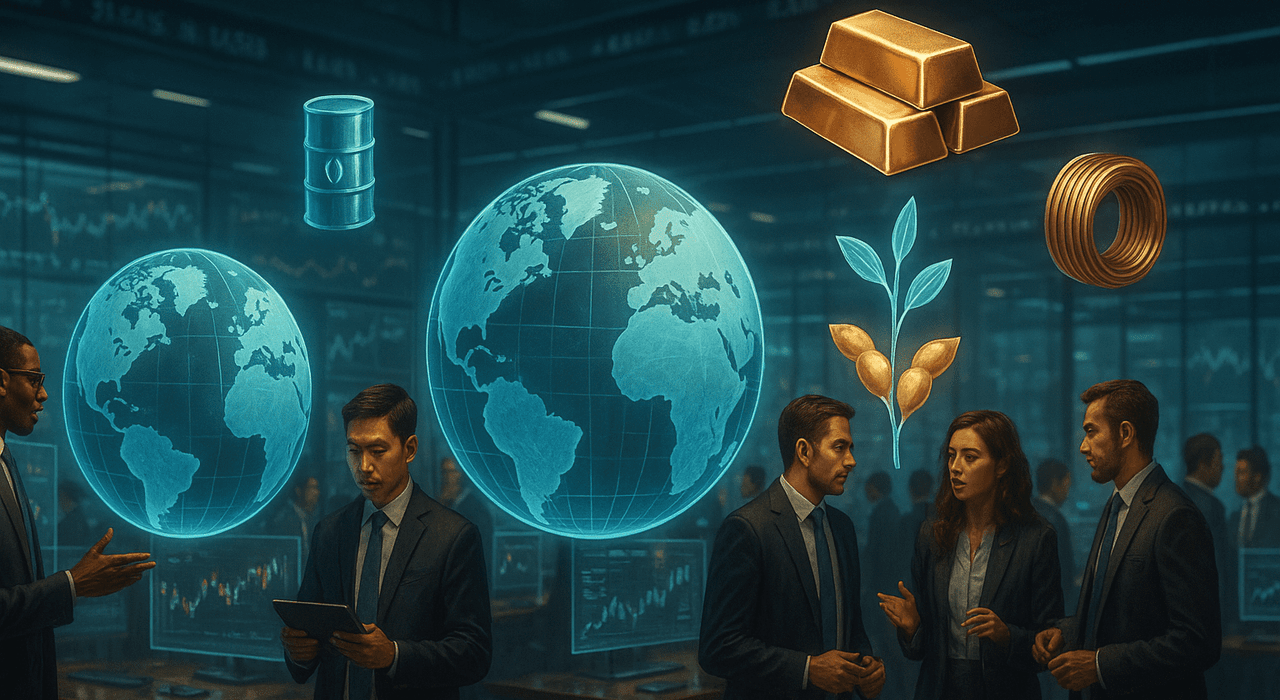
The commodities market can seem daunting with its futures, spot markets, and fast-moving tickers. However, understanding the highest volume commodities like oil, gold, and gas is key. We will talk about tradeable commodities. We will also show you how to track the live gold price. Plus, we will give you practical tips for making smart market choices. You don’t need advanced financial knowledge to understand this.
Why Volume Matters in Commodities
In plain terms, volume shows how much something is being bought and sold. The more volume, the more people are trading it. That means better prices, quicker trades, and a lot less stress trying to get in or out of a position.
High-volume commodities are where the action is. It’s not just about making money. It’s also about liquidity, reliability, and finding trusted opportunities.
Meet the Most Traded Commodities Today
Here’s a breakdown of some of the most active commodities and why they’re always in the spotlight:
| Commodity | Avg. Daily Volume | Why It’s a Big Deal |
| Crude Oil | 1M+ contracts | Global energy source, geopolitical lever |
| Gold | 500K+ contracts | Trusted safe haven, inflation hedge |
| Natural Gas | 300K+ contracts | Weather-driven demand, energy markets |
| Copper | 200K+ contracts | Tied to manufacturing, infrastructure |
| Soybeans | 180K+ contracts | Major food/feed crop, weather sensitive |
These are reflections of real-world demand and tension. If something big happens in politics you’ll probably see it play out here first.
Why Crude Oil Always Gets Attention
Crude oil is like the heartbeat of the economy. It powers cars, planes, factories and more. Because it’s so essential, it’s also one of the most traded assets on Earth.
What moves oil prices:
- OPEC’s production cuts (or increases)
- Wars or unrest in oil-rich countries
- Global demand forecasts
- Big inventory reports from the U.S.
People trade oil using futures, ETFs like USO, or CFDs on retail platforms. It can be volatile, but that’s why many traders are interested.
Gold: Not only for Rings and Necklaces
Gold has always been important in finance. People turn to it when things feel uncertain, like during a crisis, war, or inflation. With gold price live streaming on many trading apps, it’s easy to keep track.
Why traders love gold:
- It holds value in uncertain times
- Central banks buy it up regularly
- It reacts to inflation and currency swings
“When markets panic, gold is the asset everyone remembers.” – Senior Trader, London Metals Desk
You can trade gold via ETFs like GLD, gold futures, or even digital gold contracts. Whatever your style, there’s a gold play for you.
Natural Gas: The Wild Card
Natural gas is a bit of a rollercoaster. Its prices can spike or crash depending on the weather – literally.
Biggest factors:
- Cold winters or hot summers
- U.S. gas storage levels
- LNG exports
It’s a favorite for short-term traders who like quick moves. And if you’re watching energy trends, gas often gives early signals before oil reacts.
Copper: The Economic Thermometer
Copper may not get as much attention as gold, but it is very important. It is used in wires, plumbing, and electric cars. When copper prices go up, it often means factories are busy and economies are growing.
What impacts copper:
- Demand from China
- New construction projects
- Strikes at major copper mines
If you want to get a feel for global growth, keep an eye on copper.
Agriculture: Where the Earth Meets the Market
Let’s talk about food. Soybeans, corn, and wheat may seem old-school, but they’re massively traded. Farmers hedge their crops, traders bet on harvests, and weather plays a huge role.
Why they’re hot:
- A bad drought in Brazil? Soybean prices jump.
- US-China trade tension? Corn demand shifts.
- Conflict in a grain-exporting country? Wheat spikes.
These markets have real-world consequences and strong trading volume to match.
What Commodities Can You Trade?
If you’re asking yourself what commodities you can trade, the answer is: a lot. Here’s a quick cheat sheet:
- Energy: Crude oil, natural gas, gasoline
- Precious Metals: Gold, silver, platinum
- Base Metals: Copper, aluminum, zinc
- Agricultural Products: Soybeans, corn, wheat, cotton
- Softs: Coffee, cocoa, sugar, lumber
- Livestock: Live cattle, lean hogs
Most brokers now let you trade these using futures, ETFs, CFDs, or options. Even with a small account, you can use micro-futures and fractional shares to begin.
How to Keep Up With Gold Price Live
Following the gold price live doesn’t have to be complicated. Here are a few smart tips:
- Set price alerts in your trading app
- Check charts around major economic announcements
- Watch interest rates and the U.S. dollar index gold usually moves opposite to them
- Use simple chart setups (like moving averages) to spot trends
Apps like TradingView or even Yahoo Finance can give you a solid gold feed. Pun totally intended.
Why High-Volume Commodities Are Worth Your Time
Trading high-volume commodities comes with perks:
- More liquidity – Easier to buy and sell without big price gaps
- Lower costs – Tight spreads mean less taken out of your profit
- Predictable behavior – High-volume assets often follow clear patterns
- Less slippage – Especially when trading large amounts
Using active commodities improves your trading and investing experience. This applies whether you are trading for a short time or investing for the long term.
But What About the Risks?
Commodities can be intense. They react fast to global news, and leverage can amplify both gains and losses.
Common pitfalls:
- Overtrading on emotion
- Ignoring seasonal cycles (like planting or storm seasons)
- Misunderstanding futures rollover
- Trading without a stop-loss (NO)
Create a plan, keep your position sizes manageable, and always know what’s moving your market.
Your Next Move
If you’re ready to dip into commodity trading, start by tracking just one market, maybe oil, gold, or even soybeans. Follow the news, watch the charts, and build from there. When you focus on commodities with the highest volume, you are not just guessing. You are entering a world of real opportunity supported by global demand.
Frequently Asked Questions
1. What’s the easiest commodity to start trading?
Gold is a great place to begin it’s highly liquid, easy to understand, and widely covered in the news.
2. Is it better to trade energy or metals?
Depends on your style. Energies can be more volatile; metals like gold offer steadier patterns.
3. Can I trade commodities with a small account?
Yes! Micro-futures and fractional commodity ETFs make it accessible for smaller budgets.
4. How does trading volume affect price?
Higher volume usually means tighter spreads and more reliable price action. It helps avoid wild price jumps on small trades.
5. Should I track gold price live even if I’m not day trading?
If you have investments, it’s important to know what is happening right now, especially during economic events.
6. Do commodities help hedge inflation?
Absolutely. Commodities like gold and oil tend to go up when inflation rises, making them solid protection.
Community
Trading platforms
Services
Articles
Community
Trading platforms
Services




Copyright © 2026. All rights reserved.
There is a risk of loss in trading foreign currencies and it is not suitable for everyone. Tradeview is not responsible for any gains or losses on currency rates or exchanges during any transaction.
The services and products offered by Tradeview are not being offered within the United States (US) and not being offered to US Persons, as defined under US law. The information on this website is not directed to residents of any country where FX and/or CFDs trading is restricted or prohibited by local laws or regulations.
CFDs are complex instruments and come with a high risk of losing money rapidly due to leverage. 64% of retail investors' accounts lose money when trading CFDs with Tradeview. You should consider whether you understand how CFDs work and whether you can afford to take the high risk of losing your money.
Headquarters Tradeview Ltd.: 13 Genesis Close, 4th Floor, Suite 422, Cayman Islands
High Risk Warning: Foreign exchange trading carries a high level of risk that may not be suitable for all investors. Leverage creates additional risk and loss exposure. Before you decide to trade foreign exchange, carefully consider your investment objectives, experience level, and risk tolerance. You could lose some or all your initial investment; do not invest money that you cannot afford to lose. Educate yourself on the risks associated with foreign exchange trading and seek advice from an independent financial or tax advisor if you have any questions.
Advisory Warning: Tradeview provides references and links to selected blogs and other sources of economic and market information as an educational service to its clients and prospects and does not endorse the opinions or recommendations of the blogs or other sources of information. Clients and prospects are advised to carefully consider the opinions and analysis offered in the blogs or other information sources in the context of the client or prospect's individual analysis and decision making. None of the blogs or other sources of information is to be considered as constituting a track record. Past performance is no guarantee of future results and Tradeview specifically advises clients and prospects to carefully review all claims and representations made by advisors, bloggers, money managers and system vendors before investing any funds or opening an account with any Forex dealer. Any news, opinions, research, data, or other information contained within this website is provided as general market commentary and does not constitute investment or trading advice. Tradeview expressly disclaims any liability for any lost principal or profits without limitation which may arise directly or indirectly from the use of or reliance on such information. As with all such advisory services, past results are never a guarantee of future results.